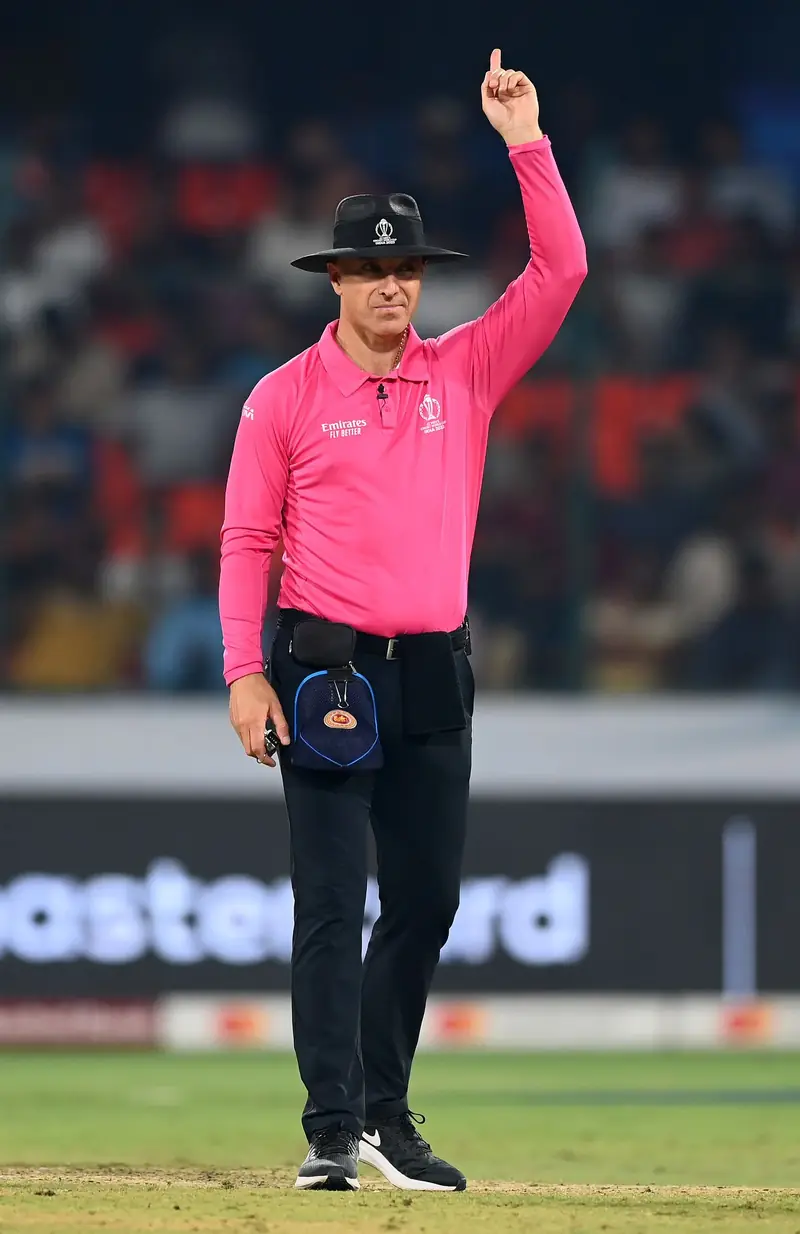
LBW — leg before wicket — is the most confusing rule in cricket. Even fans who watch for years get it wrong. This guide explains the LBW rule in simple words, shows you the exact questions the umpire asks, and tells the story of one famous LBW that changed cricket history.
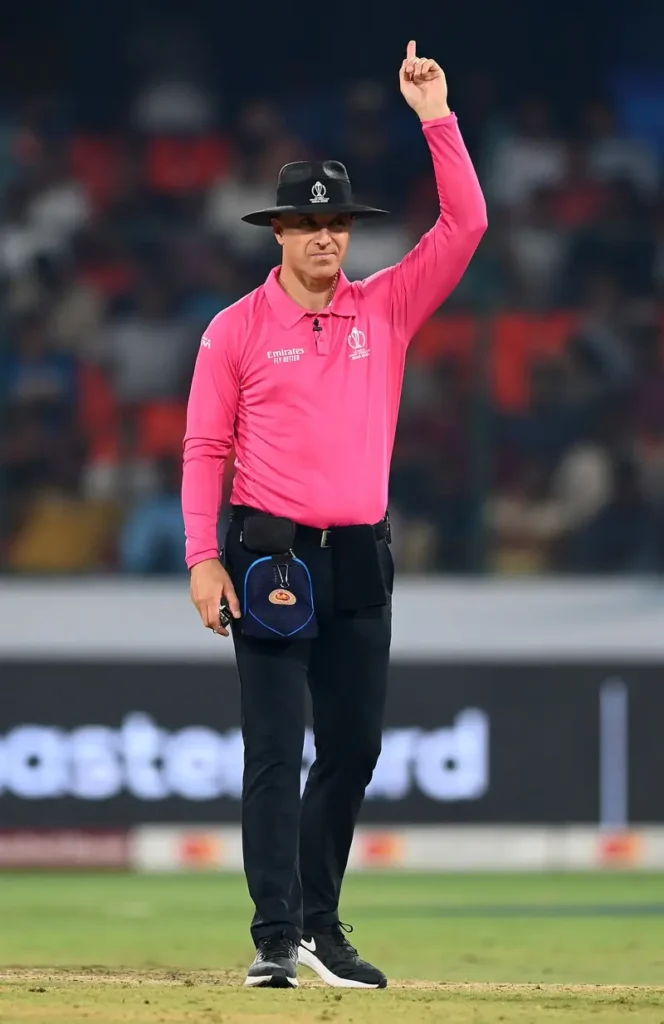
What Does LBW Mean?
The idea is simple. A batter may not use their body to block a ball that would have hit the stumps. If the ball hits the batter’s leg (or any part of the body) and the umpire believes it was going on to hit the stumps, the batter is out. That is LBW.
Without this rule, batters would just stand in front of the stumps like a wall. The game would be broken. LBW keeps batting honest.
The 4 Questions the Umpire Asks
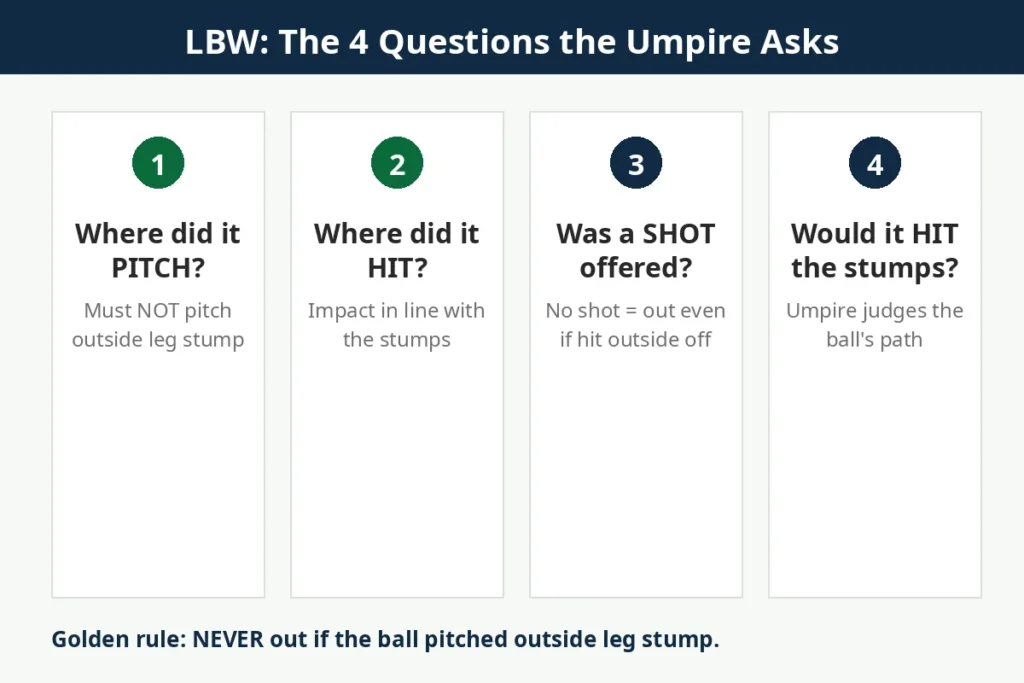
For an LBW decision, the umpire checks four things in order. All four must point to “out”:
1. Where did the ball pitch?
If the ball pitched outside the leg stump, the batter can NEVER be out LBW. This is the golden rule. Memorize it and you already understand half of LBW.
2. Where did the ball hit the batter?
The impact must be in line with the stumps — between off stump and leg stump. There is one exception, explained below.
3. Was the batter playing a shot?
If the batter offered no shot (just padded it away), the impact can be outside the off stump and still be out. But if the batter was playing a shot, impact outside off stump means not out.
4. Would the ball have hit the stumps?
The umpire judges the ball’s path. Would it have gone on to hit? If yes, the finger goes up.
Why “Umpire’s Call” Exists
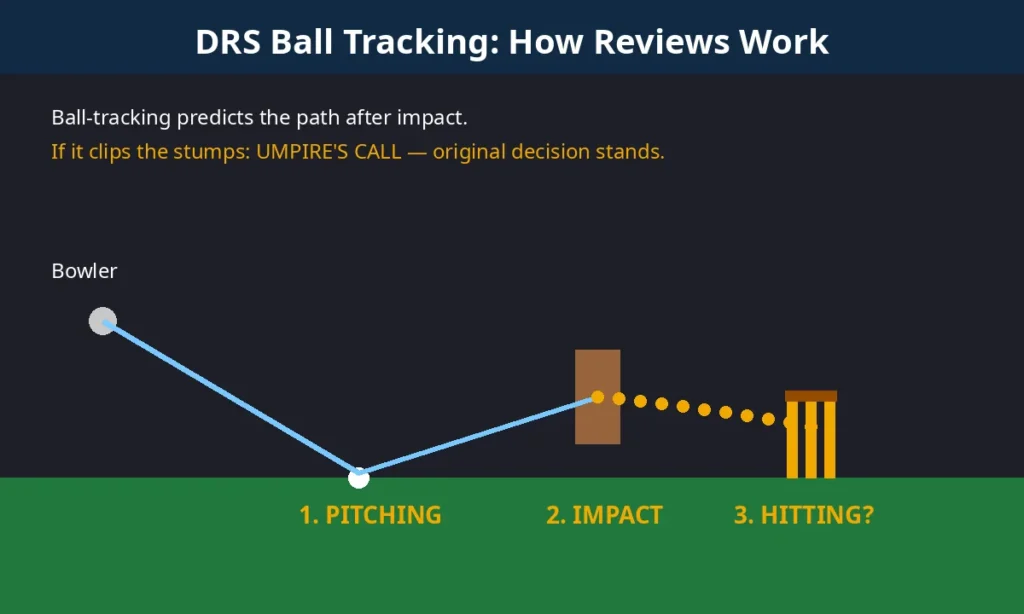
Judging a ball’s future path is hard. The umpire has a split second. So cricket uses ball-tracking technology (often called Hawk-Eye) in reviews. It predicts where the ball would have gone.
But the prediction has a small margin of error. So there is a rule called umpire’s call. If the ball is only just clipping the stumps on the prediction, the on-field umpire’s original decision stands. The technology is respected, but the human umpire is not overruled on a 50-50 call. This is why players sometimes look furious when a review shows “umpire’s call” — the technology agrees it was close, but the original call stays.
DRS: How Reviews Work
DRS (Decision Review System) lets teams challenge the umpire. Each team gets a limited number of reviews per innings. If the review proves the umpire wrong, the team keeps its review. If not, the review is lost.
For LBW reviews, ball-tracking shows three things: where the ball pitched, where it hit the batter, and where it would have gone. The third umpire checks all three against the four questions above. This is why reviews are precious — waste them, and you may regret it. Which brings us to Headingley.
Real Case Study: The LBW That Saved the Ashes — Headingley 2019
On 25 August 2019, England needed 359 runs to beat Australia in the third Ashes Test at Headingley. It looked impossible. Then Ben Stokes played one of the greatest innings ever: 135 not out off 219 balls.
Late in the game, with England nine wickets down, Australia’s Nathan Lyon bowled to Stokes. Huge LBW appeal. Umpire Joel Wilson said not out. Australia wanted a review — but they had none left. Captain Tim Paine had wasted their final review on a hopeless LBW shout against Jack Leach one over earlier. Ball-tracking later showed the Stokes delivery was hitting the stumps. He would have been out.
One ball before that, Lyon had also fumbled a simple run-out of Leach. Stokes and Leach (1 not out off 17 balls) added 76 runs for the last wicket. England won by one wicket — one of the most famous wins in cricket history.
The lesson: reviews are like gold. Australia burned theirs, and it cost them the match — and nearly the Ashes. Read more about cricket’s greatest rivalry in our Ashes guide.
Common LBW Myths
Myth: “Any ball that hits the pads is out.”
No. All four conditions must be met. Most pad-hits are not out.
Myth: “Standing outside the crease saves you.”
No. Stepping forward does not protect you. It only makes the “would it hit” call harder for the umpire.
Myth: “The ball must hit the leg.”
No. Any part of the body counts — thigh, chest, even the shoulder. “Leg before wicket” is just the old name.
Why the LBW Rule Exists: A Short History
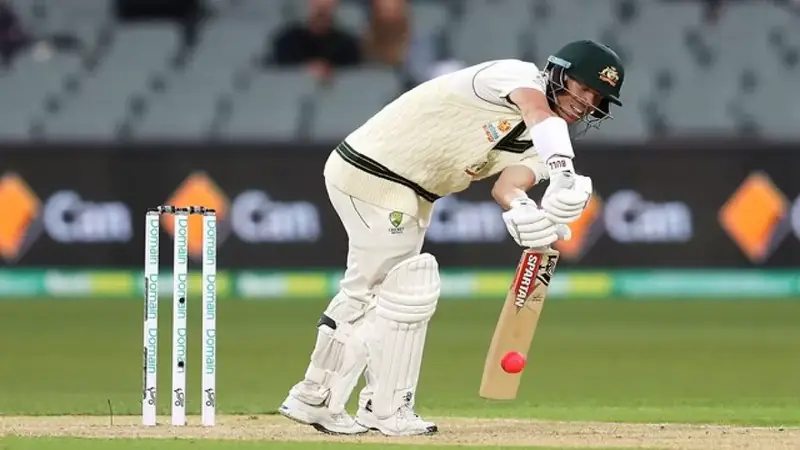
In cricket’s early days, batters discovered a cheat. If a straight ball was coming at your stumps, why risk your bat? Just kick it away with your pads. Pads got bigger and stronger, and some batters turned themselves into human walls.
Without a rule against it, bowling would have become pointless. Why bowl at the stumps if legs can block everything? So cricket created LBW: you may wear pads to protect your body, but you may not use your body as a second bat. That one idea keeps the battle between bowler and batter honest. Every LBW appeal you see today goes back to that simple principle.
LBW Ball by Ball: A Walkthrough
Picture a Test match, over 32. The fast bowler runs in and hurls it down. The ball pitches on middle stump, nips back sharply, and smacks the batter’s front pad. The bowler screams. The slips join in. The crowd holds its breath.
Now watch the umpire’s brain work — in about one second:
Step 1 — Pitching: middle stump. Fine, not outside leg.
Step 2 — Impact: in line with the stumps. Fine.
Step 3 — Shot: the batter played a big drive and missed. A shot was offered, so outside-off impact would have saved them — but the impact was in line. Still fine.
Step 4 — Path: would it have hit? The ball was straightening toward middle stump…
The finger goes up — or the head shakes. Then, if there’s a review, ball-tracking replays the whole thing in slow motion for millions to judge. This is why people say umpiring is the hardest job in sport.
What Smart Batters Do to Avoid LBW
Good batters don’t just hope. They have tricks:
- Bat before pad: get the bat in front of the pad. If the ball hits the bat first, LBW is impossible — even if it then hits the pad dead in front.
- Use your feet against spin: either stride right to the pitch of the ball and smother it, or go right back deep in the crease. The danger zone is getting caught half-forward, stuck on the crease.
- Know the no-shot risk: padding away without offering a shot is legal, but remember — then even impact outside off stump can be out.
- Never assume: no umpire, no matter how friendly, will save a plumb LBW.
LBW in Different Formats
The law is identical in Tests, ODIs and T20s — the four questions never change. What changes is DRS. Ball-tracking doesn’t exist in every match; smaller leagues and many domestic games don’t have it. Without DRS, the on-field umpire’s call is final. No “umpire’s call” drama, no replays — just one person, one second, one decision. It makes you appreciate how much pressure international umpires carry.
Learn how the three formats differ in our formats guide, and see where LBW sits among all nine ways to get out.
Beginner Mistakes When Judging LBW
Mistake 1: “It hit the pad, so it’s out.”
No. All four conditions must point to out. Most pad-hits fail at least one test.
Mistake 2: Forgetting where it pitched.
Pitched outside leg stump? Never out — even if it was crashing into middle stump. Check pitching first, always.
Mistake 3: “They didn’t play a shot, so they’re safe.”
Backwards. Offering no shot makes it easier to be given out, not harder.
Mistake 4: Shouting “it was going over!” from the sofa.
Height matters. If the ball was sailing over the stumps, it’s not out — and TV replays prove sofa umpires wrong as often as right.
Common Questions
Can you be LBW to a spinner?
Yes. Spinners get many LBWs because their balls turn into the stumps.
Can the wicketkeeper appeal for LBW?
Anyone can appeal, but only the umpire decides.
Why do players appeal so loudly?
Appealing is required — the umpire cannot give it out unless the fielding team appeals. Loud appeals also add pressure.
Is LBW used in all formats?
Yes — Tests, ODIs and T20s all use the same LBW rule. Learn how the three formats differ in our formats guide.
Can you be LBW off a no-ball?
No. Off a no-ball, a batter can only be run out — never LBW, bowled, caught or stumped. So a giant LBW appeal on a no-ball is just noise. Our extras guide explains no-balls and what they change.
What if the ball hits the bat first?
Then LBW is impossible. “Bat before pad” is the golden defensive rule — if the umpire or ball-tracking sees the ball hit the bat before the pad, it’s not out, no matter how dead in front the pad was.
Can you be LBW standing far down the pitch?
Yes. There is no safe distance — stepping down doesn’t protect you. But the further the impact is from the stumps, the harder the “would it have hit” call becomes, so umpires give fewer of those. It’s a gamble, not a shield.
Key Takeaways
- Golden rule: pitched outside leg stump = never LBW.
- The umpire checks four things: pitching, impact, shot offered, and path.
- Bat before pad = safe from LBW, always.
- Umpire’s call protects close decisions from being overruled by technology.
- Reviews are precious — waste them and pay the price (ask Australia, Headingley 2019).
- The full rulebook lives in our 42 Laws of Cricket guide.
You Now Know More Than Most Fans
Remember the golden rule — never out if it pitched outside leg — and the four questions, and LBW will never confuse you again. For the full basics, see our beginner’s guide to cricket rules and our cricket terms glossary. The technical wording lives on the leg before wicket page on Wikipedia.